Proximity Is Not a Programme. It's the Whole Thing.
The first thing Jesus did — always — was get close. Not send a representative. Not organise a response. Not develop a strategy. He got close.
June 8, 2026
The first thing Jesus did — always — was get close.
Not send a representative. Not organise a response. Not develop a strategy for engagement. Not form a committee to assess the situation.
He got close.
He touched the leper before he said a word about healing. He sat with the woman at the well before he offered living water. He invited himself to Zacchaeus's house before anything in Zacchaeus's life had changed. He stopped the whole procession for blind Bartimaeus — one voice shouting from the roadside — before he asked what Bartimaeus wanted.
Proximity was the practice. Everything else followed from it.
What proximity is not
Proximity is not a programme.
It is not organised charity at a comfortable remove. Not the donation made to a cause that keeps the discomfort of the situation from ever reaching you personally.
These things are not nothing. But they are not proximity.
Proximity is physical nearness. Actual presence. The choice to be in the same room, at the same table, in the same space as someone whose situation is different from yours.
It is uncomfortable. It costs something. It changes you in ways that organised charity does not.
Which is why Jesus kept choosing it over every available alternative.
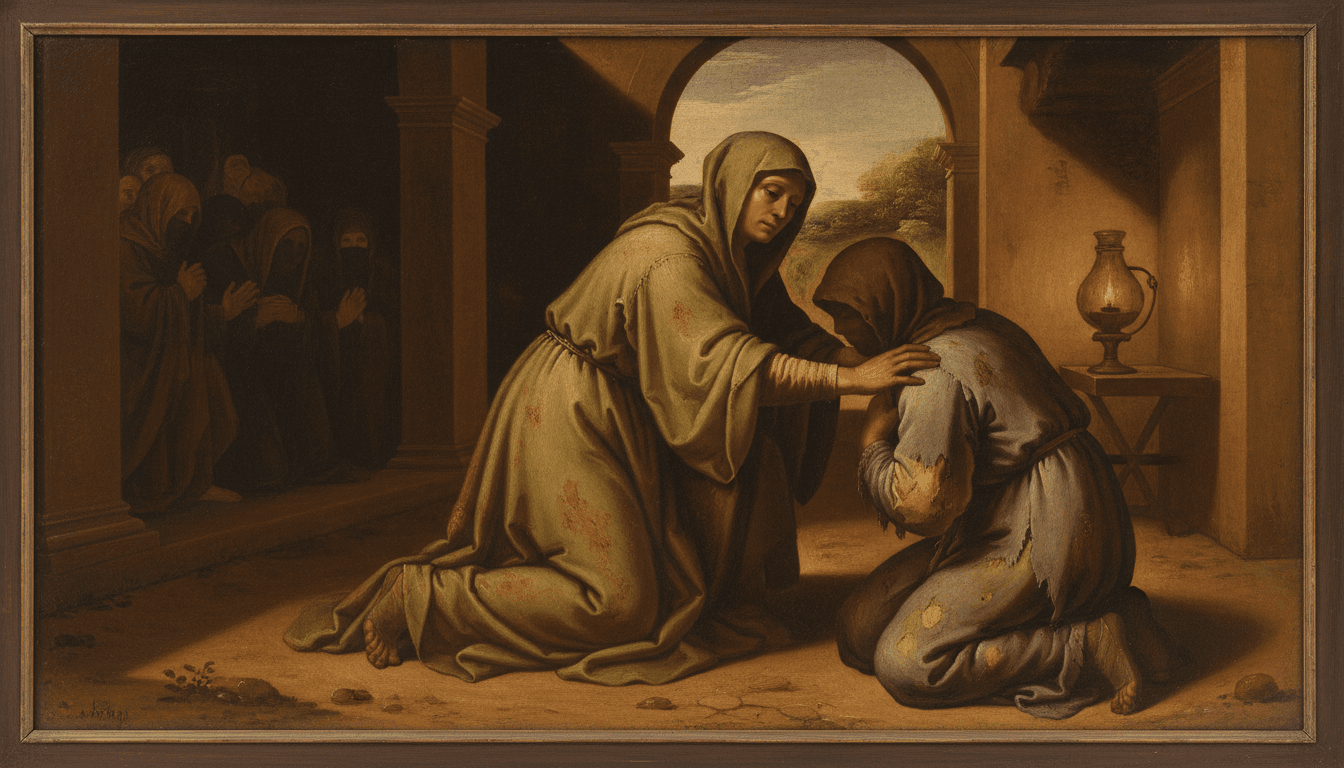
The leper
A man with leprosy came to Jesus and begged him on his knees.
In first-century Jewish society a leper was not merely sick. They were ritually unclean. Socially dead. Required by law to warn approaching strangers. They lived outside the camp — outside the community, outside the reach of every human connection that made life meaningful.
Jesus reached out his hand and touched him.
Before he said a word. Before the healing happened.
He touched him.
In doing so he crossed every social and religious boundary his world had constructed — not to make a statement but to make contact. To be close. To refuse the distance that the system had imposed between this man and the rest of humanity.
The healing followed. But the touch came first. The touch was the point.
Zacchaeus
Zacchaeus was a tax collector. Wealthy at other people's expense. Despised by his community.
Jesus walked into Jericho, looked up into a sycamore tree, and said: come down. I must stay at your house today.
He invited himself. Nobody asked him. The crowd was outraged. He went anyway.
By the end of the meal Zacchaeus had given half his wealth to the poor and committed to repaying four times what he had cheated from anyone.
Jesus did not fix him from a distance. He did not organise a community response to the problem of Zacchaeus.
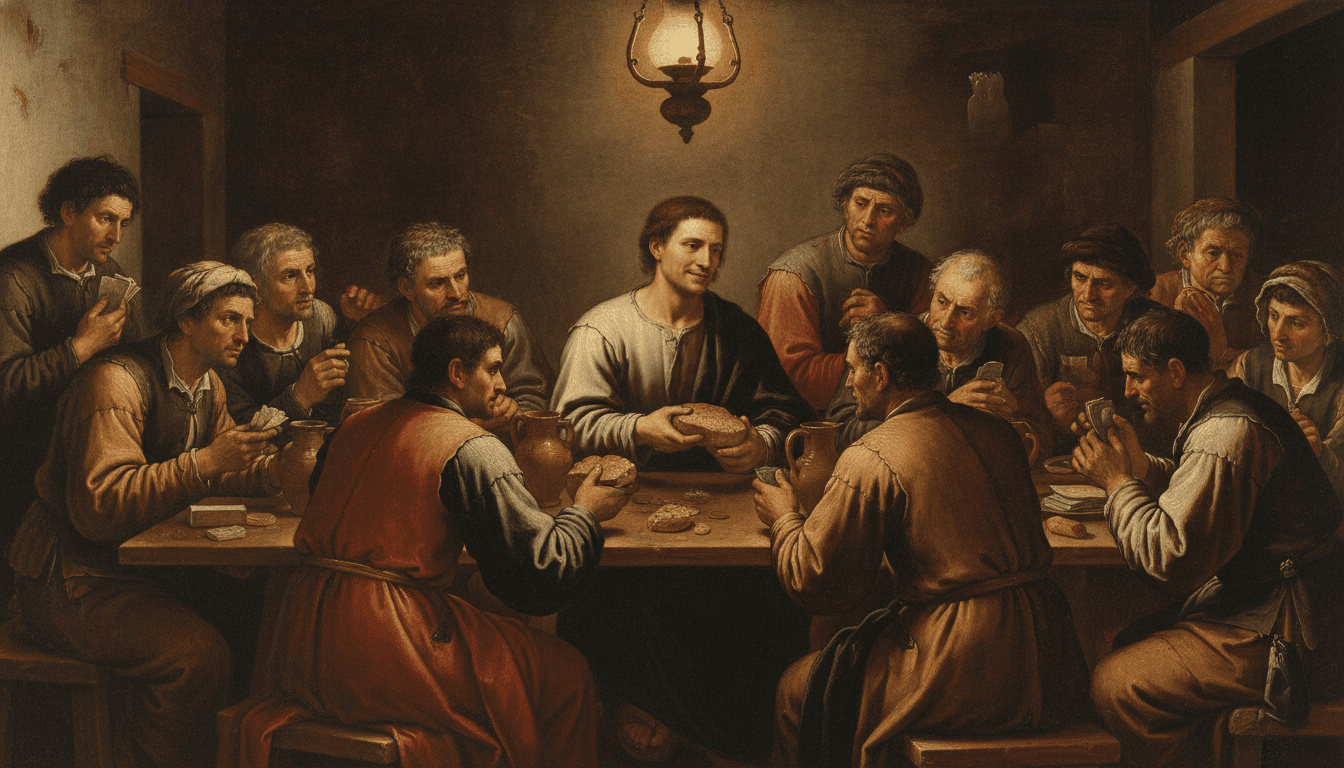
He went to his house. He sat at his table. He was present.
The proximity changed everything.
What this means practically
One person. One conversation. One meal. One moment of actually being present with someone whose situation is different from yours.
Not a programme. Not a strategy.
Proximity.
The practice Jesus modelled so consistently that it became the thing his opponents complained about most. "This man welcomes sinners and eats with them." (Luke 15:2)
They meant it as a criticism. Read it as a description.
He welcomed sinners. He ate with them. Regularly. Deliberately. In full view of everyone who disapproved.
The table was the point. Eating with someone in that culture was a statement of acceptance. He kept making that statement to the people the system had decided to exclude — until the system killed him for it.
That is the practice. It has not changed.
Get close.
Written by
Oliver T. Shepherd
Functional Faith — one question at a time.