Why I Stopped Trusting the Institution Without Stopping Believing
There is a difference between losing your faith and losing your patience with what has been done with it. Most people who leave the church have not lost the first thing.
April 20, 2026
There is a difference between losing your faith and losing your patience with what has been done with it.
Most people who leave the church have not lost the first thing. They have exhausted the second.
The gap
The gap that does it is not usually a single dramatic moment.
It is the accumulation of small ones.
The sermon that answered a question nobody in the room was asking while ignoring the one everybody was.
The meeting where the budget for the building was defended with more passion than the budget for the poor.
The person who was made to feel that their questions were a threat rather than a sign of honest engagement.
The moment when the institution's need to protect itself became obviously more important than the people it was supposed to serve.
These things accumulate. And one day you sit in a service and realise that the gap between the Jesus of the Gospels and the institution that bears his name has become too wide to ignore.
What the institution is not
The institution is not the Way.
It is a human structure built around the Way — sometimes serving it faithfully, sometimes obscuring it, sometimes actively working against it.
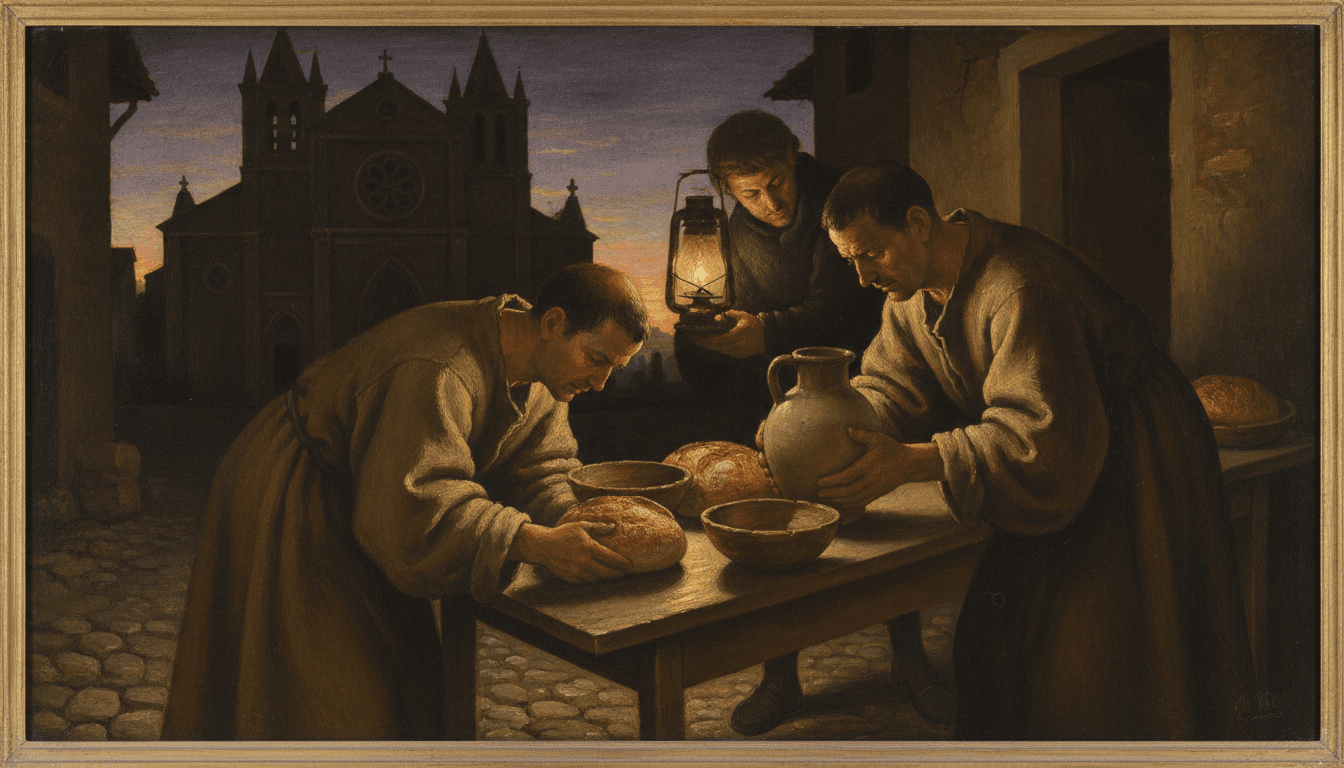
The early church met in houses. They shared meals. They had no buildings, no professional clergy, no programme. What they had was the quality of life together — and it was remarkable enough that people kept joining.
The institution came later. With good intentions. And genuine value. And the inevitable distortions that come when human beings organise themselves around something sacred.
Losing trust in the institution is not the same as losing trust in what the institution was built to carry.
What the institution is
At its best — a community of people genuinely trying to live the Way of Jesus together. Imperfectly. Inconsistently. With failures and arguments and factions.
But actually trying.
The institution at its best is worth staying in. Worth reforming. Worth fighting for.
What to do with the gap
The gap between Jesus and the institution is not new. It has been there from almost the beginning.
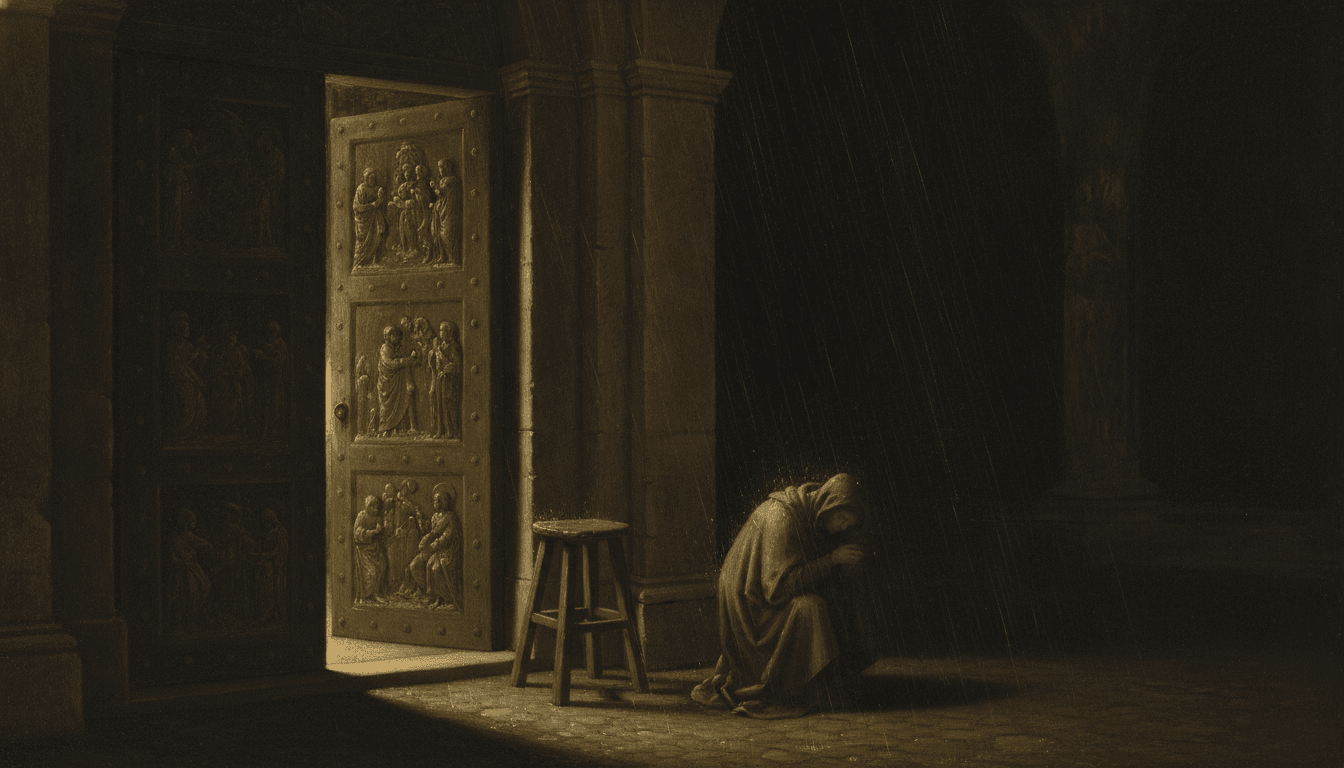
The Desert Fathers went to the desert in the fourth century because the gap was already there.
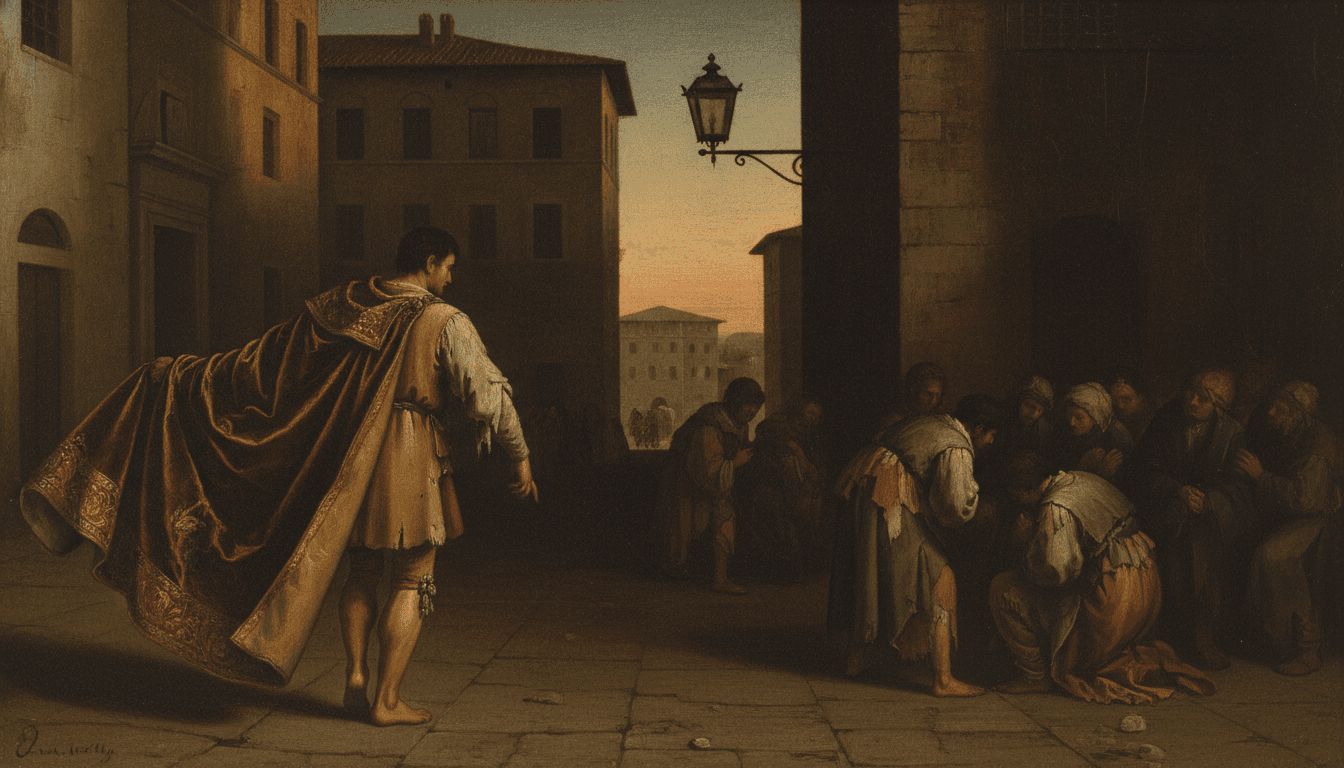
Francis stripped off his clothes in the public square in the thirteenth century because the gap was already there.
You are allowed to name the gap. You are allowed to be frustrated by it. You are allowed to refuse to pretend it is not there.
And you are allowed — without leaving Jesus — to leave a particular expression of his community that has stopped feeling like what he was building.
What does not leave with the institution
Jesus leaves none of the things worth keeping behind when you leave a building.
The Sermon on the Mount is available without a membership card.
The Psalms can be read without a pew.
The Pioneer can be followed without a programme.
The institution is not the Way. It is one possible vehicle for it.
When the vehicle stops going where you need to go — you are allowed to get out.
Written by
Oliver T. Shepherd
Functional Faith — one question at a time.