The Mint and the Dill: How Religion Gets the Small Things Right and the Big Things Wrong
The Pharisees tithed their herb garden. Mint. Dill. Cumin. Jesus said they had neglected the more important things. The warning is not for the obviously irreligious.
April 13, 2026
Jesus said something that should stop every religious person cold.
"Woe to you, teachers of the law and Pharisees, you hypocrites! You give a tenth of your spices — mint, dill and cumin. But you have neglected the more important matters of the law — justice, mercy and faithfulness." (Matthew 23:23)
The Pharisees were not bad people.
They were the most religiously serious people in first-century Judaism. They fasted. They tithed. They kept the Sabbath. They studied the law. They did everything that religious devotion required — and they did it meticulously.
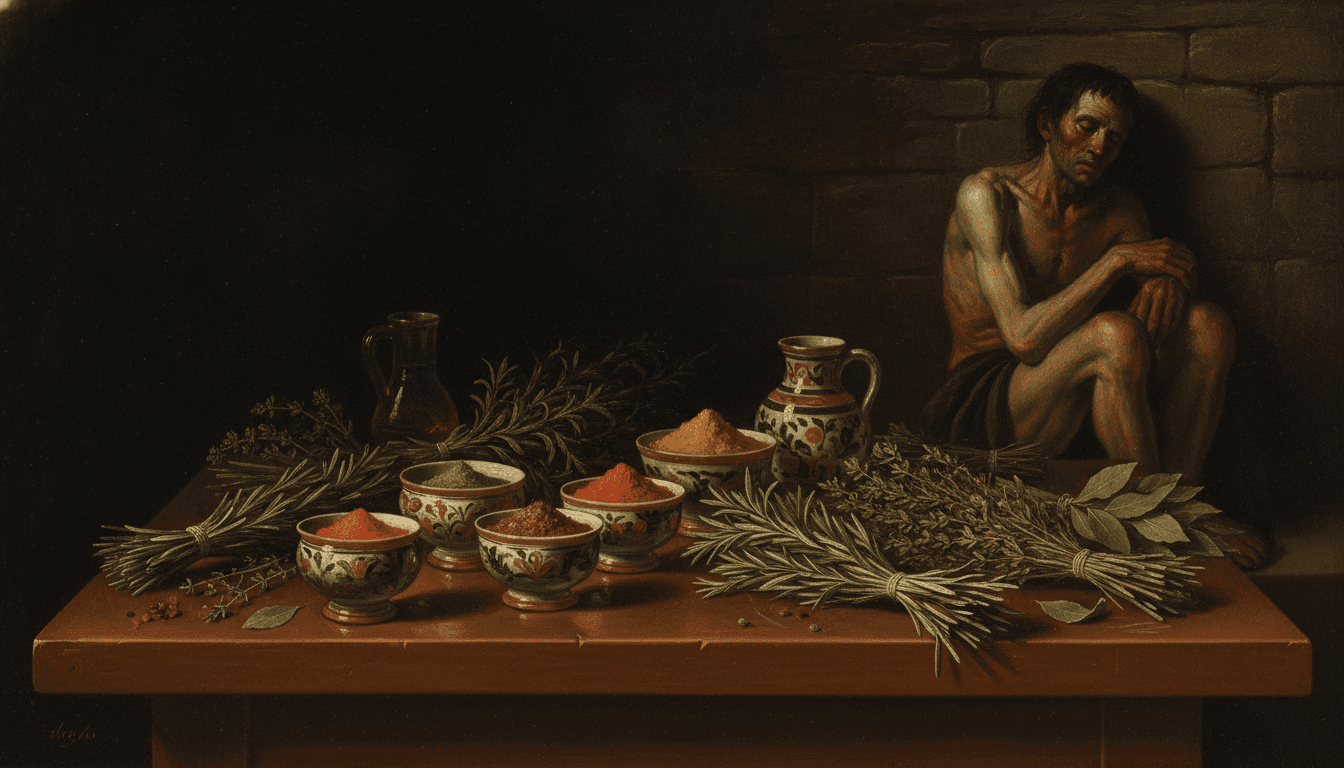
They tithed their herb garden.
Mint. Dill. Cumin. The smallest possible unit of religious obligation — and they kept it to the letter.
The problem with getting the small things right
The small things are safe.
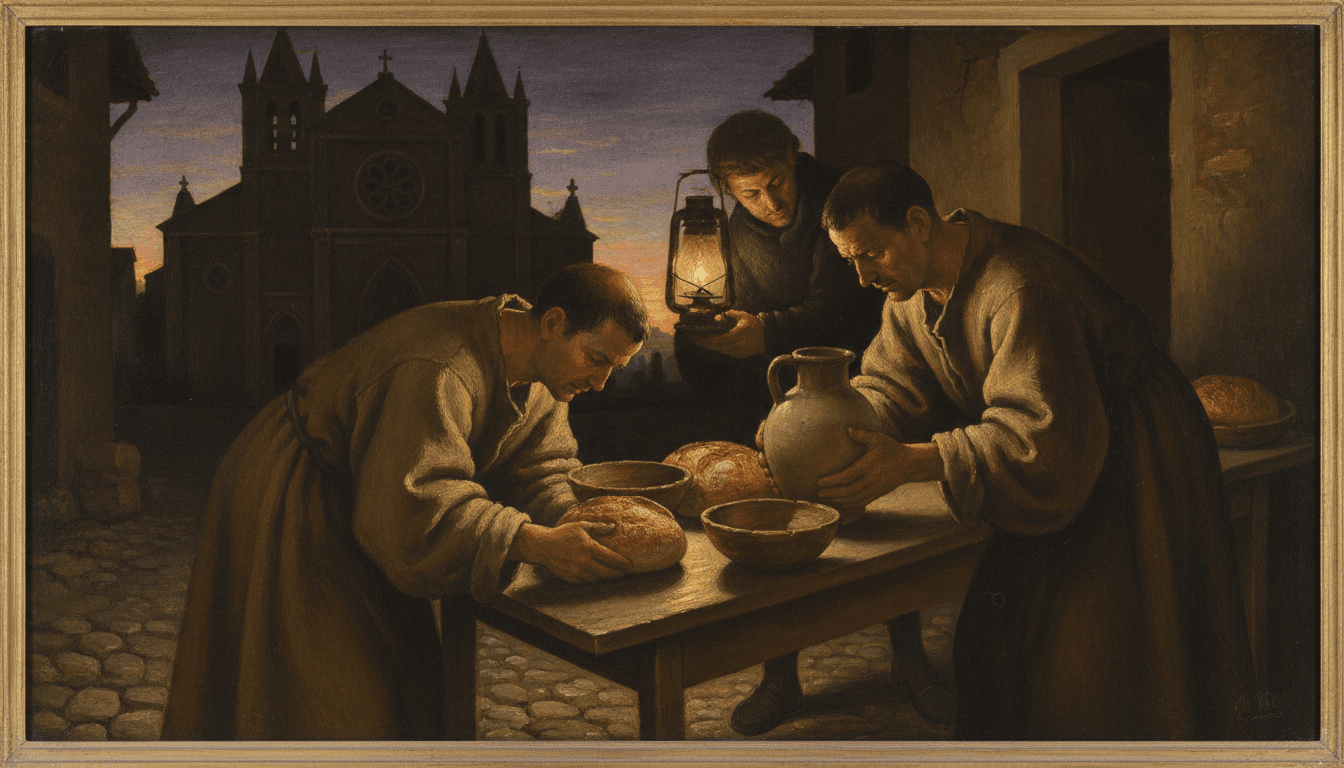
Tithing your spices does not cost you anything that matters. It does not require you to change how you treat people. It does not challenge your economic arrangements. It does not threaten your social position.
You can tithe your mint and cumin and keep every other part of your life exactly as it is.
Justice is different.
Justice requires you to look at who is benefiting from the current arrangements and who is being crushed by them. It requires you to notice the widow and the orphan and the stranger. It requires you to put your resources — not just your herbs — in service of the people at the bottom of every hierarchy.
Mercy is different.
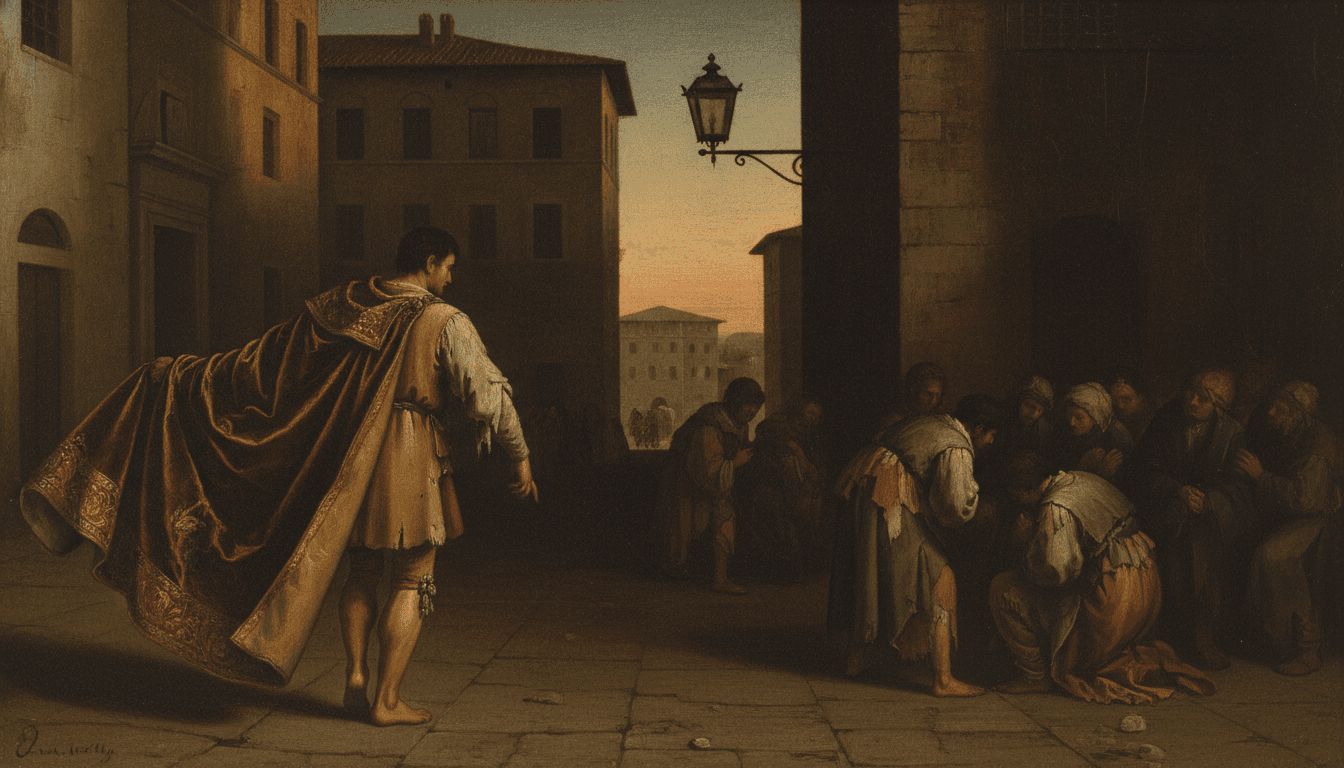
Mercy requires you to cross the road when you would rather walk past. To sit with someone whose situation makes you uncomfortable.
Faithfulness is different.
Faithfulness means your private life matches your public declarations.
None of these are safe. None of them leave you undisturbed.
Which is why the institution so reliably finds ways to emphasise the mint and ignore the justice.
The modern version
Every generation has its mint, dill and cumin.
The precise theological statement that earns you community membership. The correct position on the contested political question. The right kind of worship music. The proper translation of the Bible.
These are the things that get policed. These are the things that generate the most heat in the most church meetings.
Meanwhile:
How many people in your community are going hungry? How many prisoners has your community visited this year? How many enemies has it loved?
Jesus said those are the weightier matters. The ones the final accounting will be about. See Matthew 25 if you need a reminder.
The uncomfortable conclusion
The Pharisees were not the villains of the story.
They were the religious people. The serious ones. The ones who tried hardest and cared most deeply about getting it right.
And Jesus said to them: you have neglected the more important things.
Which means the warning is not for the obviously irreligious. It is for the obviously devout.
The question is not whether you are tithing your mint. The question is whether you are practising justice, mercy and faithfulness.
Written by
Oliver T. Shepherd
Functional Faith — one question at a time.