Did the Early Church Believe What You Were Taught?
Most Christians assume the faith they received is the faith that was always there. This assumption deserves a harder look.
March 9, 2026
Most Christians assume the faith they received is the faith that was always there.
That the creed recited on Sunday morning is the creed the earliest followers of Jesus would have recognised. That the doctrines held today are the doctrines held from the beginning.
This assumption deserves a harder look.
What the earliest community actually looked like
Acts 2:42-47 is the earliest description of the Christian community after Pentecost.
Read it carefully.
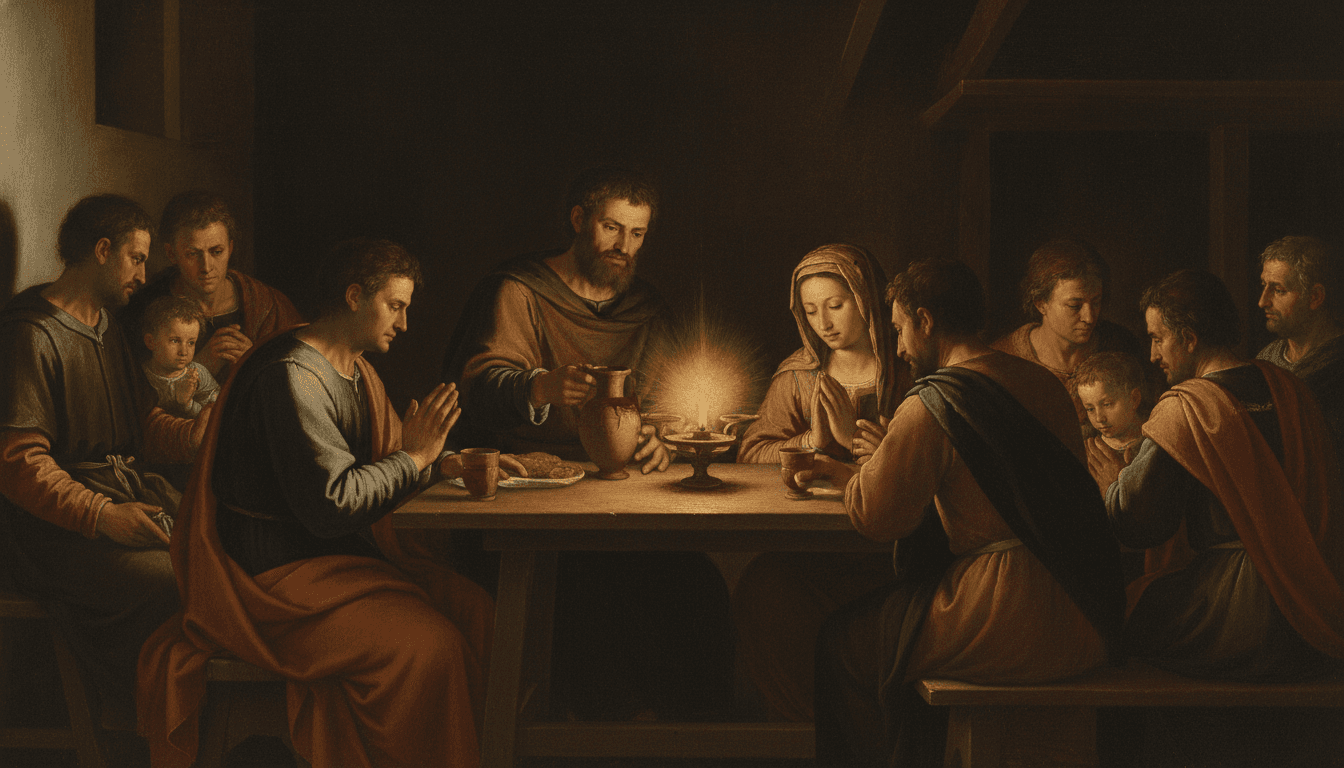
"They devoted themselves to the apostles' teaching and to fellowship, to the breaking of bread and to prayer. All the believers were together and had everything in common. They sold property and possessions to give to anyone who had need."
Notice what is present: teaching, fellowship, shared meals, prayer, radical economic sharing.
Notice what is absent: a creed. A statement of faith. A doctrinal test for membership. A hierarchy of ordained clergy. A building.
The earliest community was defined by its practice — not its proposition.
When did the formula arrive?
The Nicene Creed was written in 325 AD.
That is nearly three centuries after the resurrection. Three hundred years after the first disciples followed Jesus down the roads of Galilee. Three hundred years after the community described in Acts 2 was sharing everything they had.
The creed did not descend from the first century. It was constructed in the fourth. By people who were working with Greek philosophical categories — substance, essence, person — that the first disciples never used.
This is not an argument that the creed is wrong. It is an observation that it is not original.
The faith you were handed is not necessarily the faith that was first practised.
What the first followers were called
The earliest followers of Jesus were not called Christians.
They were called people of the Way. (Acts 9:2, Acts 19:9)
Not people of the Correct Doctrine. Not people of the Approved Formula. People of the Way.
The Way was a practice. A manner of living. A road you walked rather than a proposition you signed.
It implied movement. Direction. A destination. And the cost of getting there.
When did the Way become a statement? When did the road become a room with a membership requirement?
Sometime between Acts 2 and Nicaea — the shift happened. Slowly. Understandably. With plenty of good intentions on every side.
But the shift was real. And the cost of it was real.
The people who kept asking
Throughout history there have been communities that kept returning to the original question.
The Desert Fathers and Mothers who walked away from the Constantinian church in the fourth century and went into the desert to find the thing itself.
Francis of Assisi who stripped off his wealthy clothes in the public square and walked away from everything to live among the poor.
The Waldensians who read scripture in plain language and served the poor and were condemned as heretics for it.
All of them were asking the same question: what was the earliest community actually doing? And can we do that again?
The question is still worth asking.
What this means for you
You are allowed to read Acts 2 and ask: does the community I belong to look like this?
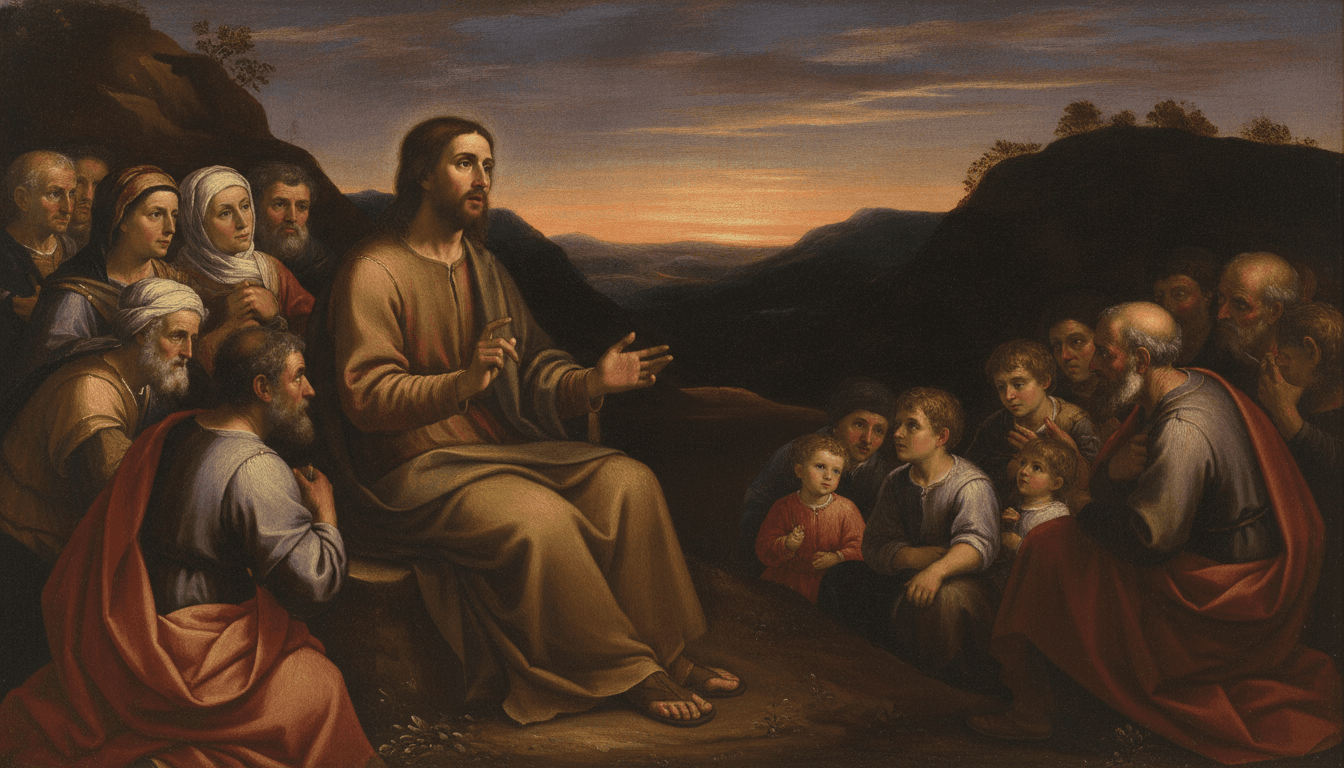
You are allowed to hold the creed in one hand and the Sermon on the Mount in the other and ask which one is being used to measure faithfulness in your community.
These are not dangerous questions. They are the most faithful questions available.
The Way was always meant to be walked. Not recited.
Written by
Oliver T. Shepherd
Functional Faith — one question at a time.